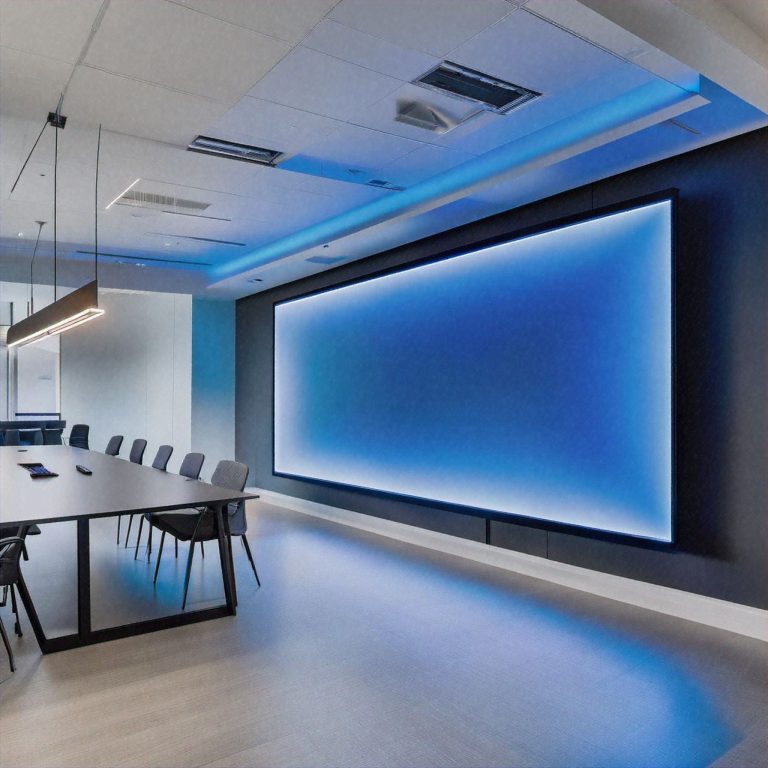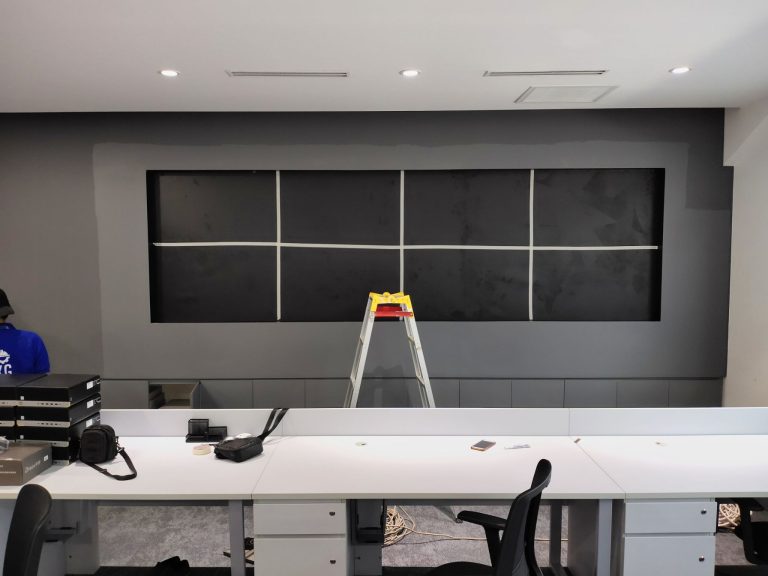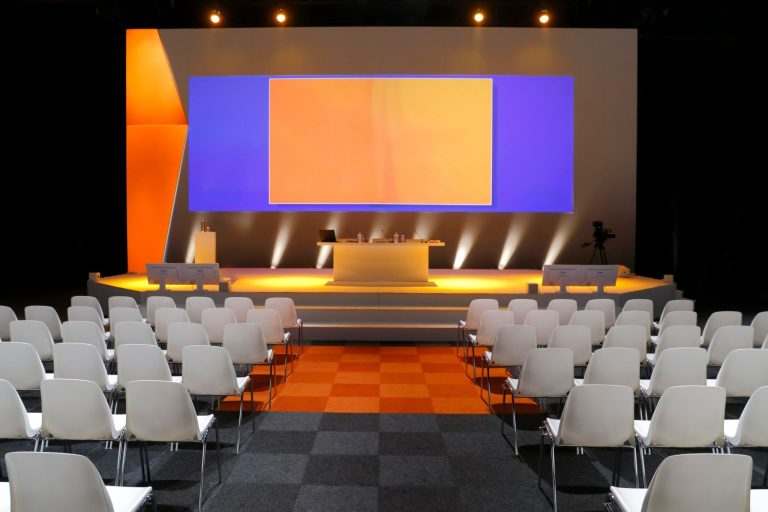
A sports bar in Irvine hangs six consumer televisions above the bar. A year later, two have failed, two show burned-in score tickers, and the warranty claims come back denied because the sets were installed in a business. It’s tempting to assume AV technology works the same way everywhere. The equipment, the design, and the infrastructure all have to match the environment they run in.
A television in a bedroom has nothing in common with a display in a boardroom or a sports bar except the picture. Specify the wrong hardware, or miss what the space demands, and you pay for it in poor performance, early failure, and replacement costs nobody budgeted.
Home AV and commercial AV differ in six places: hardware, audio, network, control, code, and support. Here is what changes in each. At Experience Audio Video, Inc., we design and install both residential and commercial systems across Orange County. Call (714) 744-4455 if you want us to walk your space before anything gets specified.
We work in local building codes, structural constraints, and system integration every week. Whether you’re building a home theater or equipping a business, the discipline is the same: specify for the environment first, then engineer the infrastructure to match.
Let’s start with the hardware, where the difference is easiest to see.
Commercial TV Installation Starts With Hardware Built for the Hours
A living room television runs three hours a night and cools down overnight. A screen in an Irvine sports bar runs from open to close, in a warm room, seven days a week. That is a different duty cycle, and consumer hardware is not built for it.
Commercial displays are built for it. They use active cooling, heavier power supplies, and panels rated for extended daily operation, and their firmware adds pixel-shift and similar features that reduce image retention from static scoreboards and logos. On any commercial TV installation, we specify commercial-grade displays.
Brightness is the second difference. A Newport Beach storefront takes direct afternoon sun, and a consumer television washes out behind the glare. Commercial displays are rated at much higher brightness, measured in nits, so the picture still reads at 2 PM. Getting that number right at specification time is far cheaper than replacing screens later.
Home Audio Aims Sound. Commercial Audio Spreads It.
A home theater aims sound. You want the helicopter to travel from the back-left speaker to the front-right, and that takes precise surround calibration. It is the craft in a high-end AV installation in Orange County.
A restaurant needs the opposite. Put a few home speakers in a loud Costa Mesa dining room and you get hot spots: the table underneath is shouting, the table across the room hears nothing. The fix is a 70 volt distributed audio system, where one amplifier drives many speakers over long cable runs with minimal power loss. It is standard in the bar and restaurant audio systems we build.
- We install architectural speakers flush in the ceiling, spaced to the room.
- Each 70-volt speaker runs at a low level.
- The sound falls evenly across the entire dining room footprint.
- Guests enjoy a warm blanket of music while holding comfortable conversations.
This is the clearest difference between residential and commercial AV work. Mapping the acoustic footprint before placing a single speaker is what keeps a room comfortable at full capacity.
The Network Decides Whether Any of It Works
Modern audio and video systems depend heavily on a reliable network. A standard residential router can usually handle a few smartphones, smart-home devices, and streaming televisions without a problem. Commercial environments, however, can place far greater demands on the network. When hundreds of guests connect their phones at a busy venue, an inadequate network can quickly become a bottleneck.
For commercial projects, an experienced AV installer can build an enterprise-grade network designed to keep systems running smoothly under heavy traffic. Network segmentation, including secure virtual local area networks (VLANs), can separate AV traffic from sensitive business systems such as point-of-sale terminals. This helps prevent streaming interruptions while adding an important security layer.
High-end residential projects can also require sophisticated networking. Large estates in Laguna Beach often have thick walls and expansive layouts that can weaken wireless signals. Strategically placed access points, combined with hardwired connections where appropriate, provide reliable coverage throughout the property.
Whether the project is residential or commercial, the network is the foundation of a dependable AV system. Even the most advanced equipment cannot perform properly when the underlying infrastructure is weak.
Home Control Is Personal. Commercial Control Has to Be Obvious.
A system nobody can operate is a system nobody uses. In a luxury home, control is personal. You might want a remote control that dims the lights and closes the window shades at the same time. We program intuitive smart home ecosystems like Crestron and Control4 for our residential clients.
Commercial rooms need the opposite of personalization. A bartender on a Friday night has no time for four remotes, and an executive cannot spend 15 minutes connecting a laptop to a boardroom display.
The interface is where the difference shows most.
- Commercial systems use single-touch wall panels.
- Staff tap one button labeled Open.
- The system automatically turns on all displays and routes the correct audio.
- We lock the administrative settings to prevent accidental programming changes.
That behavior is custom programming. It gets written and commissioned by the integrator, not shipped in a box.
Commercial Projects Answer to Fire and Accessibility Code
Commercial work answers to code in ways residential work does not. Run standard speaker wire through a plenum, the air-handling space above a commercial ceiling, and the install is in violation the day it is finished.
Those spaces require plenum-rated cable, which is jacketed to produce less smoke and slower flame spread in a fire. Commercial spaces also follow ADA requirements, and the reach ranges in the ADA Standards determine how high a touch panel or control can be mounted. We pull the permits and coordinate with your electricians so none of this surfaces at inspection.
Understanding the gap between home AV installation and commercial AV matters most in the budget and at inspection. Pulling non-compliant cable out of a finished ceiling costs several times what specifying it correctly on day one would have.
Consumer Warranties Do Not Cover Commercial Use
The last difference shows up after the install. A homeowner calls for service a few times a year. A venue cannot lose a Friday night to a dead display.
Manufacturers write different warranties for the two product lines. Consumer television warranties generally exclude commercial use, so the set that fails in your bar is not covered. Commercial displays carry multi-year commercial warranties, often with advance replacement. Read the warranty terms for the exact model before it goes on the wall.
We offer preventative maintenance agreements for business clients: cleaning cooling fans, updating firmware, and testing network switches on a schedule you can plan around. That is how a system can reach the end of its warranty and still be working.
Outdoor Systems Face Salt Air, Sun, and Very Different Volume Demands
Outdoor space is part of the product in Southern California, for homeowners and businesses alike. What they need is not the same.
A luxury homeowner in Dana Point might want landscape speakers discreetly placed around a swimming pool or a weatherproof television mounted beneath a covered lanai. These systems create an immersive backyard retreat for family gatherings while keeping sound comfortably within the property.
Commercial outdoor spaces need heavier infrastructure. A rooftop bar in Anaheim, for example, may need powerful music to cut through street noise and run for long hours at high volume. Bright outdoor events also require durable, anti-glare displays that remain visible throughout the day.
While both environments face the same challenges from sun, moisture, and coastal conditions, their performance requirements differ greatly. Choosing the right equipment and designing the system for its intended use is essential. An experienced AV professional can recommend hardware built to withstand the elements while delivering reliable, high-quality performance for years to come.
Get the Specification Right Before Anything Goes on the Wall
Experience Audio Video has served Orange County since 1999. We design, engineer, install, and program both residential and commercial systems, which is why the specification matches the room instead of the catalog.
Whether you’re upgrading a home theater or outfitting a commercial property, the first step is the same: a walkthrough and a written specification you can hold us to. Request a commercial AV quote to schedule a site walkthrough, or call (714) 744-4455, and we will book it on the phone. No pressure, no obligation.
Frequently Asked Questions
1. What is the main difference between residential and commercial AV?
Residential AV focuses on immersive surround sound and single-room cinematic experiences. Commercial AV prioritizes continuous daily operation, multi-zone audio distribution, and enterprise-grade networking. The practical difference is duty cycle and scale. A home system runs a few hours a night in one room; a commercial system runs all day across many zones.
2. Can I use residential TVs in my commercial business?
Don’t use residential televisions in a business environment. They lack the cooling mechanisms required for constant operation. A professional AV installer will specify commercial displays to prevent screen burn and avoid voiding manufacturer warranties.
3. Why does commercial audio use 70 volt distributed systems?
Commercial spaces require dozens of speakers to provide even sound coverage without loud hot spots. A 70-volt system lets one amplifier drive many 70-volt speakers on a single long wire run with minimal power loss.
4. How do building codes affect commercial AV projects?
Commercial buildings must adhere to strict fire safety and accessibility codes. Plenum-rated cable is required in air-handling spaces because it produces less smoke and spreads flame more slowly. An experienced AV installation team navigates these legal requirements to keep you compliant.
5. Does a smart home system work in a commercial setting?
Yes, but it requires custom programming. A home setup focuses on personalization. A commercial setup demands absolute simplicity. We program single-touch buttons so any staff member can operate the technology without juggling multiple complicated remote controls.
6. Why is network infrastructure critical for AV setups?
Modern audio and video equipment runs on your network. A properly sized network prevents video buffering and audio dropouts. We deploy enterprise-grade switches and secure virtual local area networks during every AV installation project we complete in Orange County.